Get Livestock Fencing Installation in Seattle, WA
Local contractors in Seattle can install livestock fencing to secure property boundaries, contain animals, and prevent wildlife intrusion for farms, ranches, and rural properties.
Livestock fencing installation is an important consideration for property owners in Seattle, WA, seeking to establish secure boundaries for animals or define different areas on their land. Whether managing a small farm, hobby farm, or larger property, having a reliable fence can help keep livestock safe and prevent unwanted visitors. Exploring local contractors who specialize in fencing can provide valuable insights into the best materials and styles suited for the region’s climate and terrain, ensuring a durable and effective solution.
When planning a fencing project, comparing options among local service providers can help identify solutions that meet specific property needs. Experienced contractors familiar with Seattle’s environment can offer practical advice on installation techniques and materials that stand up to the local weather conditions. Continuing to explore available services can assist property owners in making informed decisions about their fencing, leading to a secure and functional boundary for years to come.
- Farm fencing installation - needed when setting up boundaries for livestock on rural properties near neighborhoods in Seattle, WA.
- Ranch fencing services - required for securing large pastures and grazing areas on expansive farmland around the region.
- Horse fencing installation - essential for equestrian properties in areas like Queen Anne or Capitol Hill to ensure safety and containment.
- Agricultural fencing services - used to protect crops and livestock on farms just outside city limits in areas such as Bellevue or Kirkland.
- Livestock enclosure fencing - necessary for creating secure pens and holding areas on farms or ranches in the greater Seattle area.
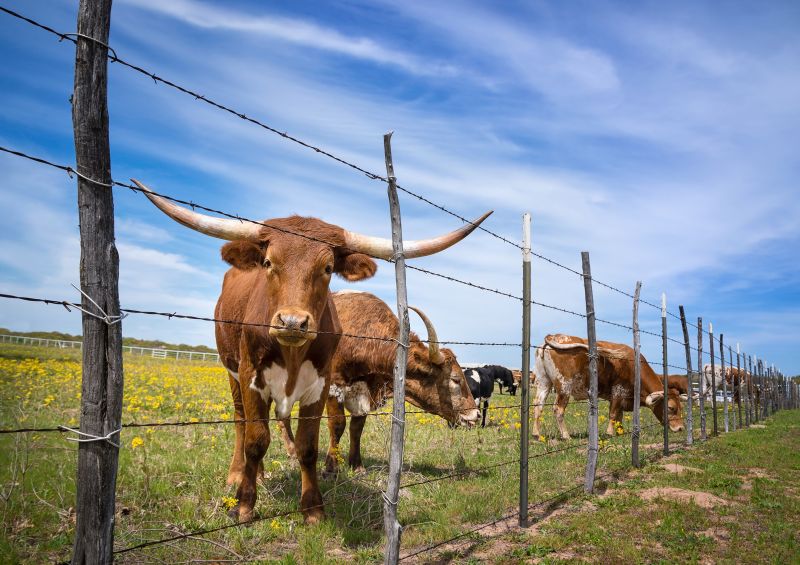
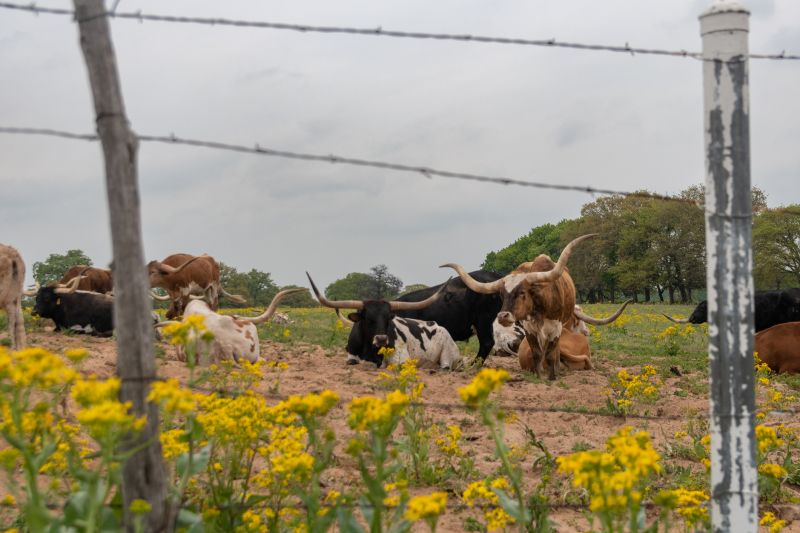
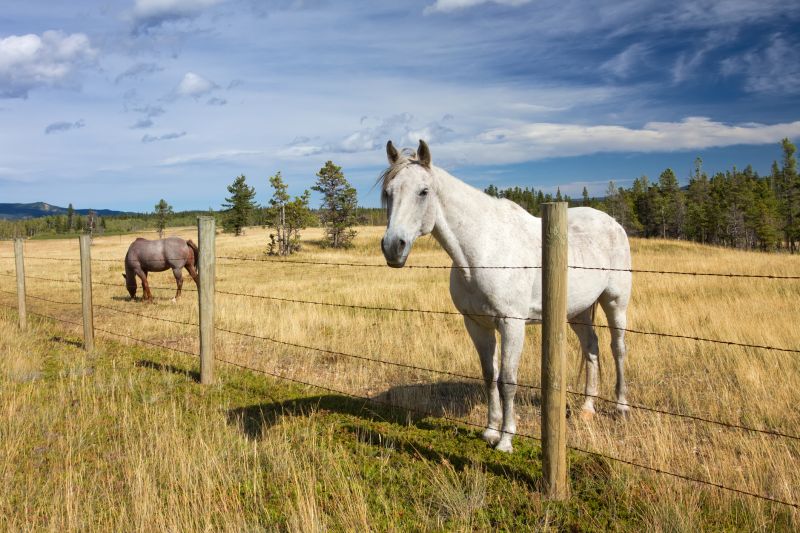
Livestock fencing installation involves setting up durable barriers around properties to contain animals and prevent them from wandering off. These fences are typically constructed using materials such as wood, wire, or vinyl, designed to withstand the elements and the physical activity of livestock. The process includes planning the layout, measuring the perimeter, and installing posts and fencing material to create a secure enclosure. This service is essential for property owners who manage farm animals, horses, or other livestock, ensuring their animals stay safely within designated areas.
One of the primary issues livestock fencing helps address is the risk of animals escaping or wandering onto neighboring properties or roads, which can lead to safety hazards and legal concerns. Additionally, proper fencing can protect animals from predators and prevent them from damaging landscaping or crops. For property owners, installing effective fencing reduces the need for constant supervision and minimizes the potential for animals to get lost or injured. It also helps maintain a clear boundary between different sections of a property, making daily management easier and more organized.
Fencing services are commonly used on rural farms, ranches, and large residential properties with significant outdoor space. These properties often have livestock like cattle, sheep, goats, or horses that require secure enclosures. Even smaller farms or homesteads benefit from livestock fencing to keep animals contained and safe. In suburban or semi-rural areas, property owners may seek fencing solutions to define property lines or keep pets contained, especially when livestock or larger animals are part of the property’s use.
Choosing the right fencing installation can address various property-specific needs, whether it’s creating a safe environment for animals or establishing clear boundaries. Local contractors can help assess the property’s layout, recommend suitable fencing materials, and handle the installation process efficiently. Property owners considering livestock fencing should evaluate their specific needs, including the type of animals, property size, and environmental conditions, to select the most effective fencing solution. Contacting experienced service providers can ensure the fencing is installed properly to meet those needs and provide long-lasting results.
The overview below groups typical Livestock Fencing Installation projects into broad ranges so you can see how smaller, mid-sized, and larger jobs often compare in Seattle, WA.
In many markets, a large share of routine jobs stays in the lower and middle ranges, while only a smaller percentage of projects moves into the highest bands when the work is more complex or site conditions are harder than average.
Smaller Repairs - Typical costs for minor fencing repairs or adjustments usually range from $250 to $600. Many routine jobs fall within this middle range, covering repairs to sections of fencing or fixing gates. Fewer projects tend to be at the higher end of this spectrum.
Basic Fence Installation - Installing a new standard livestock fence generally costs between $1,200 and $3,500. This range is common for straightforward projects involving standard materials like wire or wood. Larger or more complex installations can exceed this range.
Full Fence Replacement - Replacing an entire livestock fencing system often falls between $4,000 and $8,000. Many larger farms or extensive properties may see costs in this range, while smaller farms typically stay lower. Projects pushing beyond $8,000 are less common but can occur with high-end materials or challenging terrain.
High-End or Custom Projects - Custom or specialized livestock fencing, including reinforced or decorative features, can cost $10,000 or more. Such projects are less frequent and tend to involve complex designs or difficult site conditions, which can significantly influence the final price.
Actual totals will depend on details like access to the work area, the scope of the project, and the materials selected, so use these as general starting points rather than exact figures.
Fence Repair and Replacement - Local contractors experienced in fence repair and replacement often have the skills and tools needed for livestock fencing projects, ensuring durability and proper installation.
Agricultural Fence Installation - Professionals specializing in agricultural fencing work with similar materials and planning processes to create secure enclosures for livestock or crops.
Garden and Yard Fencing - Installing garden and yard fences involves planning and tools comparable to livestock fencing, especially when using wood, wire, or chain-link materials.
Property Boundary Fencing - Boundary fencing projects require precise planning and installation skills that align with the requirements of livestock fencing systems.
Horse Enclosure Construction - Building horse enclosures shares techniques and materials with livestock fencing, including safety considerations and durable fencing options.
Wildlife Exclusion Fencing - Contractors experienced in wildlife exclusion fencing utilize similar planning and installation skills to create barriers that protect livestock from predators.
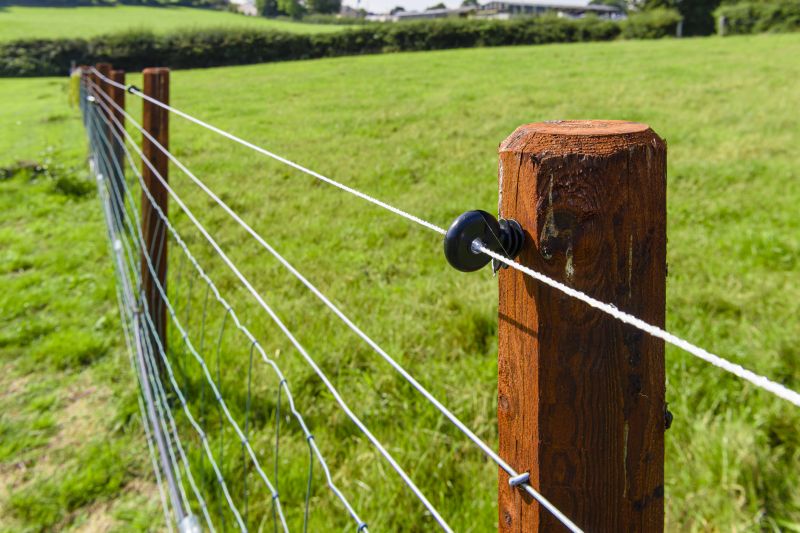
When evaluating service providers for livestock fencing installation, it’s important to consider their experience with similar projects. Homeowners should look for local contractors who have a proven track record of completing fencing jobs comparable in scope and complexity. This can help ensure that the professional understands the specific requirements of livestock enclosures, such as durability, height, and material choices, which are crucial for effective fencing. Asking for examples of past work or references related to livestock fencing can provide insight into their expertise and familiarity with the unique needs of such projects.
Clear written expectations are essential for a successful fencing project. Homeowners should seek out local pros who can provide detailed descriptions of the work scope, materials to be used, and the overall process in writing. This helps prevent misunderstandings and ensures that both parties are aligned on project goals. A professional who communicates expectations transparently demonstrates a commitment to clarity and accountability, making it easier to address any questions or concerns before work begins.
Reputable references and strong communication skills are key factors when comparing local service providers. Homeowners are encouraged to speak with previous clients or review testimonials to gauge the quality of work and professionalism. Additionally, good communication-such as prompt responses to inquiries and openness to discussing project details-can make the process smoother and more predictable. Remember, the goal is to find a dependable contractor who can handle the fencing installation efficiently and reliably, not to perform the work directly.
Property owners in Seattle, WA use Livestock Fencing Installation services for practical projects around their homes and businesses. This guide focuses on everyday jobs and straightforward project options.
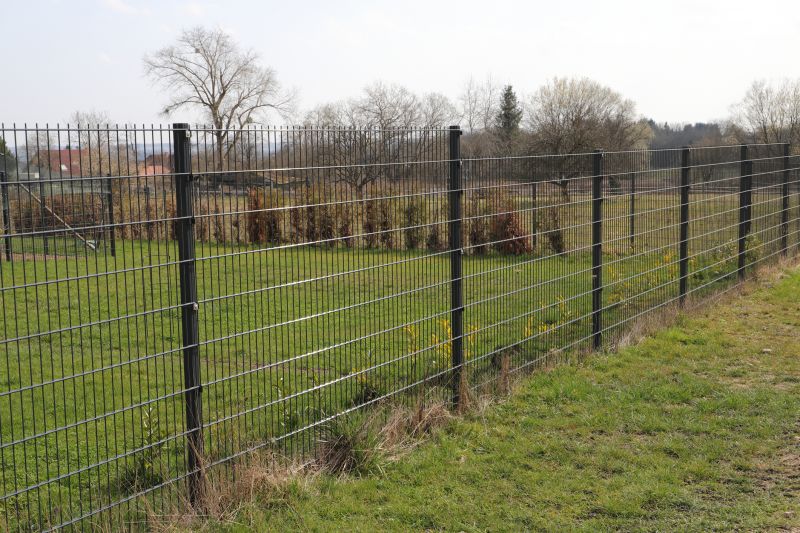
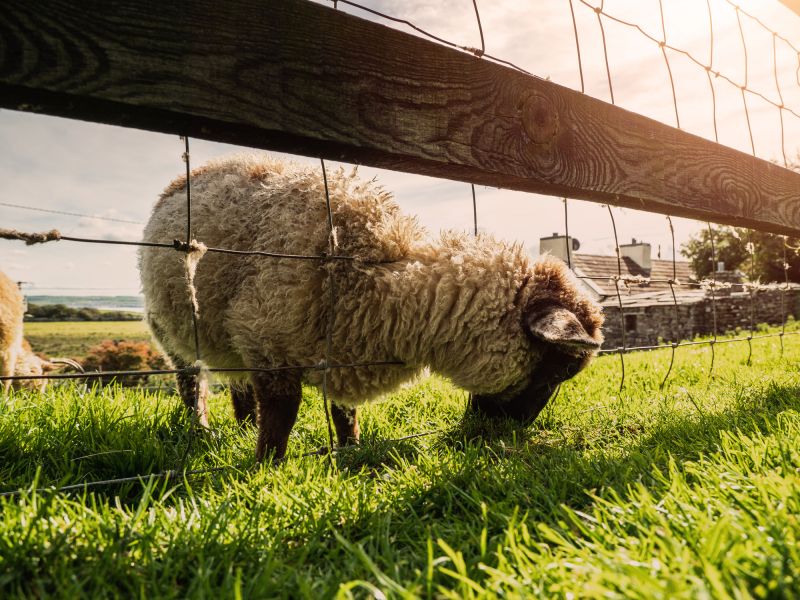
Livestock fencing installation is a common project for property owners in Seattle who need to contain animals such as cattle, horses, or sheep, or to establish clear boundaries on their land. Whether someone is setting up a new pasture or replacing an aging fence, local contractors are experienced in handling various fencing materials and styles suited for the region’s climate. These services are often sought after by farmers, ranchers, or landowners who want to ensure their animals are secure and their property is properly marked.
Property owners may also look for fencing installation when dividing their land for different uses or preventing unwanted wildlife from entering certain areas. In neighborhoods around Seattle, fencing can help maintain privacy or create a safe space for children and pets. Local service providers are equipped to manage projects of different sizes, offering practical solutions that meet the needs of the property and the preferences of the owner.
What types of fencing materials are available for livestock fencing? Local contractors typically offer a variety of fencing materials such as wood, wire, vinyl, and electric options to suit different livestock needs and property conditions.
How can I determine the best fencing height for my livestock? Local service providers can assess your livestock type and property layout to recommend appropriate fencing heights that ensure safety and containment.
Are there specific fencing styles suited for different types of livestock? Yes, different livestock, like cattle, sheep, or goats, may require specific fencing styles or materials to prevent escape and protect animals.
What factors should be considered when installing livestock fencing? Factors include property terrain, livestock type, fencing durability, and local regulations, which local contractors can help evaluate.
Can existing fences be upgraded or repaired by local service providers? Many local contractors offer repair and upgrade services to improve the effectiveness and longevity of existing livestock fences.
Define property boundaries - A property owner can install fencing to clearly mark the limits of their land, preventing disputes with neighbors.
Contain livestock or pets - Livestock fencing helps keep animals safely within designated areas, reducing the risk of wandering onto roads or neighboring properties.
Create a secure garden perimeter - Installing fencing around a garden protects plants from animals and unauthorized access, supporting healthy growth.
Design a privacy barrier - Fencing can be used to create private outdoor spaces for relaxation and outdoor activities on residential properties.
If you are thinking about Livestock Fencing Installation for a property in Seattle, WA, this guide is meant to help you understand the work, the typical project types, and how different options might fit your plans.
When you are ready, you can use the quote form on this page to share a few details about your project. From there, local pros can review the basics and respond with options that match what you have in mind.